Nutrition

Do you really need bodybuilding supplements?

Do you really need bodybuilding supplements, or are they just a waste of good money?

I’m afraid that what you just discovered is probably discovered every day by countless bodybuilders and fitness buffs who are hoping to get an edge at the gym by downing expensive shakes, powders and pills.

Just browse the myriad of bodybuilding supplement discussion boards out there and you’ll find plenty of mixed opinions on whether supplements actually result in better performance at the gym. Some people swear by them, others shrug their shoulders and say all supplements give you is really expensive pee.

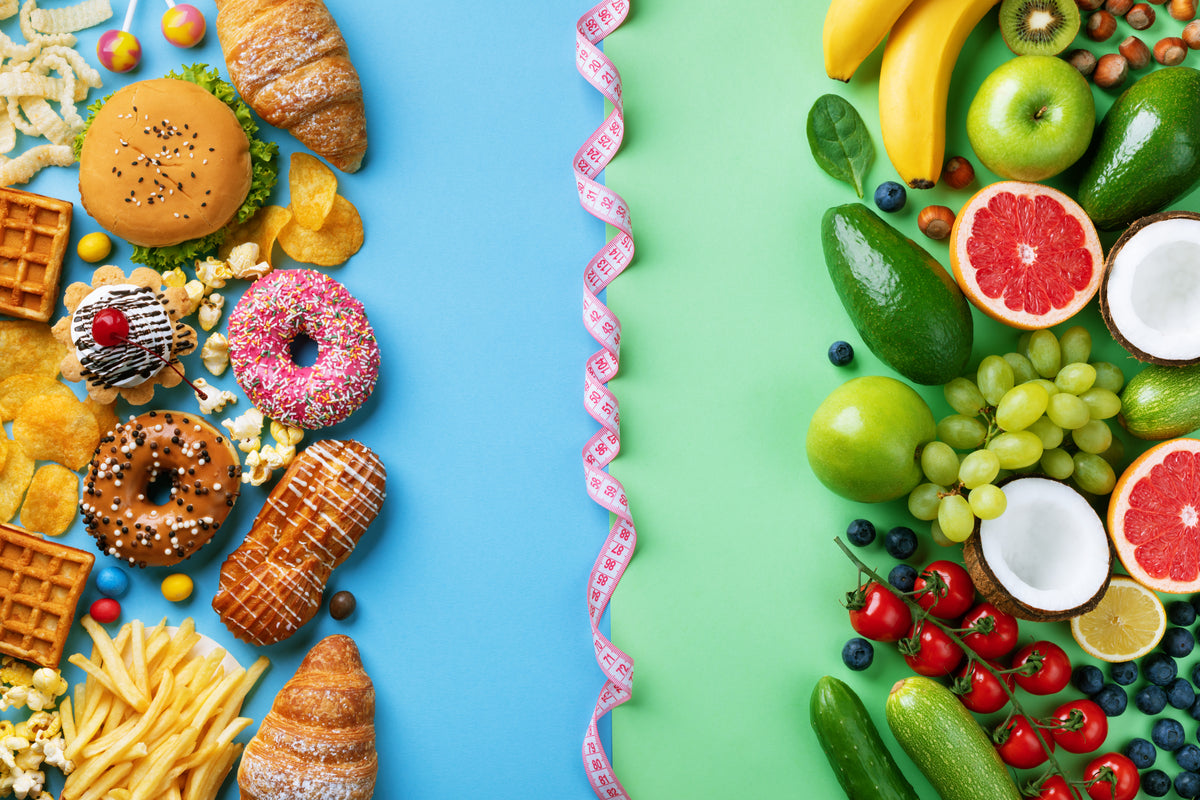
A happy fastfood menu

I guess we all owe Jamie Oliver a big juicy ‘thank’, for being the only one in the world able to persuade McDonald’s to change their burger recipe.

McDonald’s said this week that it was no longer using the controversial ground beef additive known as “pink slime” in its hamburger recipe. Taco Bell and Burger King have also reportedly repudiated the “slime,” which consists of spare beef trimmings that have been treated with ammonium hydroxide to make them safe and at least semi-palatable.Its not for the first time we covered fastfoods quality on Juiced by example here:  http://juicedmuscle.com/jmblog/taxonomy/term/47/all

Geranium Oil Does NOT Contain DMAA

Geranium oils do not contain the stimulant DMAA-MHA, according to new research that once again questions the study often cited by pre-workout and weight loss supplements claiming it does.

Geranium. Not a DMAA-MHA source, researchers have concluded. This makes a ban of synthetic DMAA logical. This supplement seem to work well as a supplementation in fatloss appetite surpression, pre-workout booster and also as a "herbal XTC".

After an analysis of the Chinese study (Ping et al), along with geranium oils, DMAA (1,3 dimethylamylamine)-MHA (methylhexanamine) ingredients and four supplements containing them, the researchers concluded the labelling practice was a “marketing ploy”.

The researchers, led by Angelo Lisi from the National Measurement Institute in Australia, also said the status of another “doping agent” called a and b-phenethylamine needed investigating.

Class action more pressure against DMAA

Class action more pressure against DMAA

The regulatory status and safety of DMAA, a stimulant used in sports and weight loss supplements and reported by some to be a natural constituent of geranium oil, has been challenged again.

There is an ongoing debate about whether DMAA (1,3-Dimethyl-amylamine - also known as methyl-hexaneamine or MHA), which was first manufactured synthetically by drug giant Eli Lily in the 1940s, is in fact a constituent of geranium, with the consensus growing that it is not. Health Canada recently issued a statement arguing that DMAA is not found naturally in geranium (as many supplement makers using it claim) and affirming that any products containing it require a drug authorization.

Does Drinking Milk Cause Acne?


Does Drinking Milk Cause Acne?

Is There a Link Between Dairy and Acne?

We've heard it over and over again: your diet does not cause acne. However, there are a handful of doctors who believe that what we eat may indeed affect our skin. And they're not pointing fingers at chocolate and potato chips, but instead at milk. That's right -- the wholesome drink that we've always considered healthy is at the center of an acne controversy.

Researchers claim to have found a correlation between milk intake and the incidence of acne. It seems milk drinkers develop more severe acne than non-milk drinkers. One study, published in the May 2008 issue of the Journal of the American Academy of Dermatology, looked at the diets of teenaged boys. The young men who drank the most milk also tended to have the worst acne.

This supports the results of previous studies, during which teenage girls were asked to keep food diaries and monitor breakout activity. Again, girls whose diets were rich in dairy products had more severe acne than the rest.

Of all dairy products, milk was the worst offender. Chocolate milk, cottage cheese, and sherbet also had a negative effect on the skin. But other dairy products didn't seem to cause breakouts.

carbohydrate cycling

Carb Cycling.

This approach allows the athlete to either gain maximum muscle mass without gaining too much fat (sometimes a slight fat loss is even possible) or to get into contest shape while maintaining (or even gaining) muscle mass. The strategy is actually not complicated and it's the most effective way to diet

The Logic Behind the System

There are two inevitable truths when it comes to building muscle or losing fat:

1) To increase body mass you need to consume more calories than you use.

2) To lose body fat you need to consume fewer calories than you use.

Obviously, the type of food you ingest will have an important impact on the end result. If the bulk of your calories come from junk food, chances are you'll end up gaining more fat than muscle. Similarly, if the quality of your food intake is low while dieting, chances are you'll end up losing more muscle tissue.


The Forgotten Bodybuilding Nutrient

Vitamin A: The Forgotten Bodybuilding Nutrient       

The dense forest of bodybuilding nutrition contains a paradox: the quantity of information available is abundant, but the wisdom of traditional diets to satisfy the primary concerns of bodybuilders is sparse and hard to find. Typical recommendations include very low-fat diets rich in protein foods like salmon and chicken.

You will search in vain through mainstream men's health magazines to find so much as a mention of the importance of vitamin A to bodybuilding. Yet this nutrient is essential to muscle-building and may be the bodybuilder's most potent weapon. Vitamin A is necessary for the utilization of protein and the production of testosterone and other growth factors. In fact, one human study, discussed below, found the administration of vitamin A and iron to have results equivalent to the administration of testosterone itself. Rather than advocating the consumption of vitamin-A rich foods such as liver and natural food-based supplements such as cod liver oil, mainstream men's health writers are advocating diets very high in protein, which deplete vitamin A reserves, leaving one to wonder whether the athletes who resort to over-the-counter steroid supplements might be able to achieve similar results by consuming a traditional diet, rich in vitamin A.

The History of Nutrition in Bodybuilding

The History of Nutrition in Bodybuilding       

The sport called bodybuilding demands the ex-treme in body presentation. No other athletic endeavor requires such high levels of regimentation for muscle development and body fat reduction. To outsiders, such efforts may appear vain and self-centered, even looming out there on the lunatic fringe. Nevertheless, the sport has had considerable influence on other fields of athletics, not to mention the general public.

We must remember that the men (and women) who sweat it out in the gym year after year were using the low-carbohydrate diet long before Dr. Atkins made it popular. Many other dietary strategies of today such as all-raw diets, protein supplementation, eating multiple small meals a day, carbohydrate loading, meal replacement packages and macro-nutrient balancing all derived their initial popularity from the bodybuilding field.

Nutritional Mistakes Bodybuilders Make

 10 Nutritional Mistakes Bodybuilders Make


This article is to show bodybuilders the various nutritional mistakes we make, and how to repair these problems to get better performance. Avoiding these blunders will help you get stronger, have fewer injuries, and ensure you stick around on this planet a little longer. Below are the top 10 nutritional mistakes that will keep you from reaching your ultimate potential in bodybuilding:

Egg Nutrition: Yolk vs. White

Egg yolks? But they’re full of cholesterol!  I’m sure you’ve heard it before. When you think of a “health freak,” you don’t think of someone eating egg yolks and discarding the white. Think again.

Egg Nutrition: Yolk vs. White

Egg yolks are indeed full of cholesterol. Like most cholesterol-rich foods, they are jam-packed full of important nutrients, especially the fat-soluble vitamins and essential fatty acids.In fact, the slew of nutrients in an egg yolk is so comprehensive that a few a day would offer better insurance than a multi-vitamin. Most importantly, the yolk contains most of the nutrients in an egg.Egg whites, on the other hand, contain far fewer nutrients. The only thing that could justify their consumption is their attachment to their companion yolk. Don’t believe it? Below is a table that compares the nutritional value of egg whites and yolks, with data provided by the USDA. I’ve included additional analysis in the last two columns that provides the percentage of the total nutrition found in the yolk and the percentage of total nutrition found in the white.