Your Testosterone Estrogen Ratio
 Remember those chem lab days. Well, if you do, you may remember that sometimes the concentration of a solvent or chemical is more important than the absolute amount of the same. What I remember even more is getting kicked solidly in the right buttock by my 8th grade chem teacher for goofing around with chemicals in the laboratory, but that's another story.
Again, though, the concentration is often critical and this hold true in the hormonal world as well. For example, researchers recently found that it is the ratio of testosterone to estrogen that determines prostate cancer health more than total testosterone.
So what is a good T/E ratio? A solid number for a 20 year old male is 30-40 with some guys shooting near 50. Of course, some would argue that a T/E ratio that high makes it to where most guys can't think straight. Regardless, youthful testosterone-to-estrogen ratios are quite high and are certainly ideal in terms of maintaining male health. A healthy, youthful testosterone/estrogen ratio is about 50:1
Of course, the problem is that guys, as they age, find this all-important testosterone to estrogen ratio steadily decreasing to sometimes even the single digits. The situation seems hopeless because all males find their testosterone simultaneously decreasing and their estrogen increasing. This is assaulting our T/E fraction in both numerator and denominator: you've got the numerator decreasing while the denominator is increasing. Quite the "double whammy", eh?
What causes these rapid changes on both top and bottom in the negative direction. Well, some of it is aging. Males just naturally lose a little testosterone as they age due to mitochondrial dysfunction, DNA and oxidative damage and so on. However, one of the greatest culprits is the extra pounds around our middle. Extra fat pumps out more aromatase which in turn pumps out more estrogen into our system.


 What once happened with the use of anabolic steroids now happens with growth hormone. Let me explain. When steroids where developed many scientists and pharmaceutical companies where convinced that modifications on the parent hormones would lead to favorable medication. In the golden era of steroid synthesis the main goal was to synthesize a compound which retained a high degree of anabolic activity coupled with a vastly diminished androgenic activity. In those days anabolic steroids where meant to be given to patients, to the old, the weak, the recovering, the undernourished etc. It was thought that through all these modifications one could create steroids that would serve many different purposes. Quite like nowadays many people think about recombinant human Growth Hormone. What followed was a pure demonization of anabolic steroids, the pharmaceutical companies unable to reach their goals exaggerated the side-effects just as other governmental institutions ..and the official media followed blindly. The bodybuilding community mistrusted the official medical research and was light-years ahead of official research. Some studies made such foolish assumptions that it made Will Brink in 1996 to write his classic article “walking the walk, or talking the talk” An article that said what most of us thought.
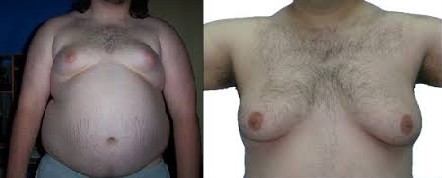 When testosterone levels are normal, and a man is experiencing signs of andropause, the hormonal culprit is usually estrogen (and chemicals that mimic the actions of estrogen), the female hormone. Both men and women have specific amounts of estrogen in their bodies. Young men may have a ratio of testosterone to estrogen of 50:1. The ratio drops to 20:1 or even as low as 8:1 with normal aging.
 Researchers say that we reach our sexual peak at the age of 25, give or take a couple of years. During these years, men exhibit almost inexhaustible sexual stamina and virility. Women are also very fertile, and shows healthy libido. Furthermore, studies have shown that men and women have the capacity to enjoy healthy sex life past their 60's and into later years.
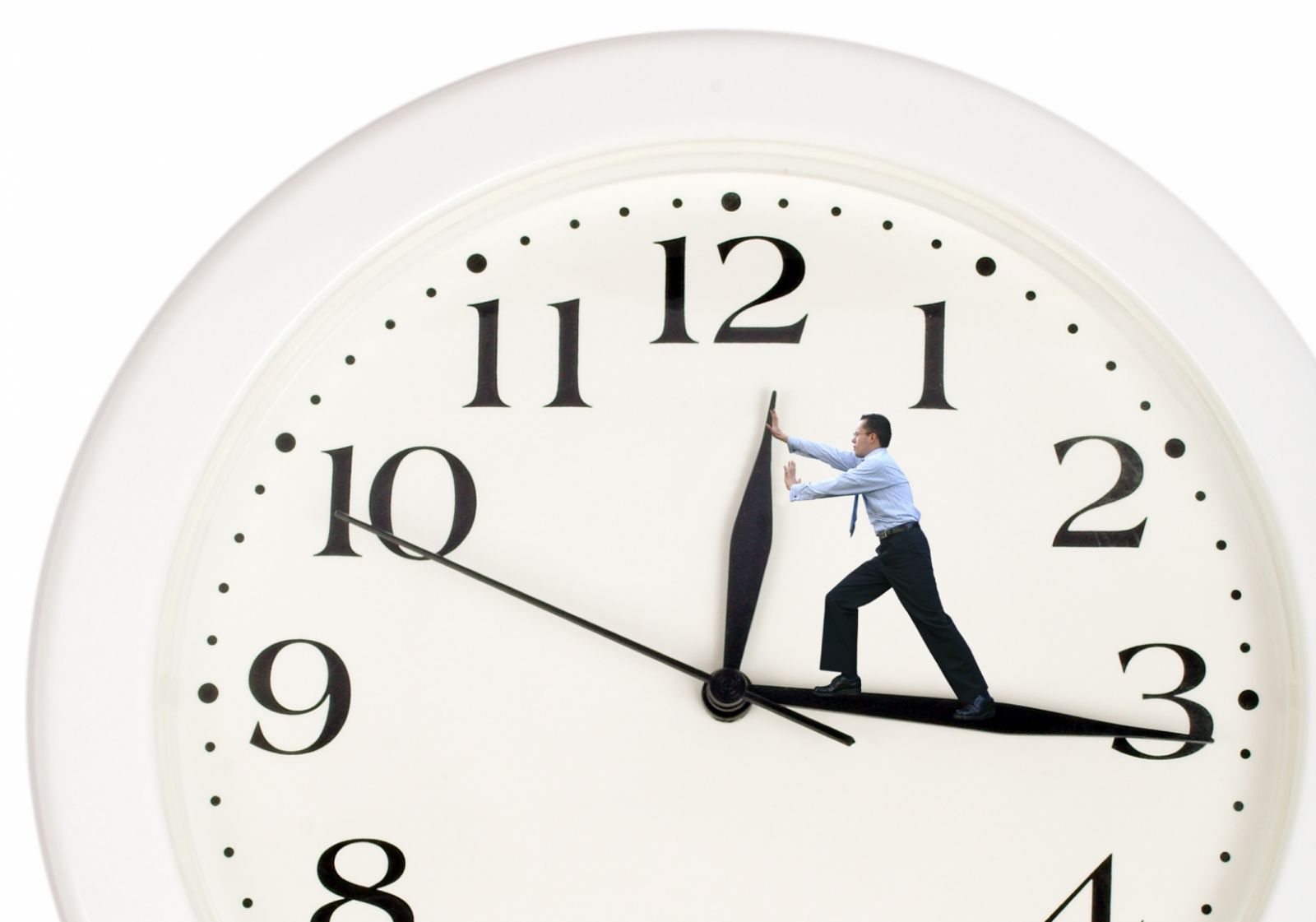 It may not be the fountain of youth, but researchers at York University have discovered that regular exercise can effectively turn back the clock for aging skeletal muscle.
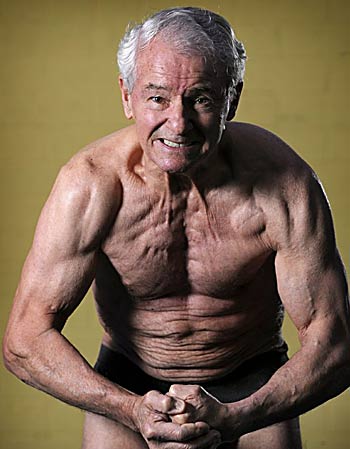 Have you ever noticed that people have thinner arms and legs as they get older? As we age it becomes harder to keep our muscles healthy. They get smaller, which decreases strength and increases the likelihood of falls and fractures. New research is showing how this happens — and what to do about it.